

Daylight control for balanced interiors
Daylight sets the tone of a space. With the right balance, rooms stay clear, calm and comfortable throughout the day.
Our daylight concept helps you understand the essentials, from glare to thermal comfort, and choose the right approach for your project.
What affects well-being in a room
Comfort is not only technical. It is how a room performs in real life when people work, meet, learn, or simply move through it.
Typical factors we plan for
- Glare on screens
- Thermal load and building envelope
- Acoustic comfort
- Blackout needs
- Daylight regulation
- Colour and texture
- Cleanability where required
- Sustainability
A practical way to choose the right solution
Solar protection
Direct sunlight brings glare, heat and strong contrast. Solar protection manages these effects close to the window, keeping daylight useful while maintaining view and comfort.
The right choice depends on orientation, glazing and how the space is used.
Key considerations
-
Glare and screen work
-
Glazing type and solar factor requirements
-
Desired daylight level and view
-
Thermal comfort and overheating risk
Thermal comfort
Solar energy enters a room through the window glass. The key question is how much reaches the interior once window glass and textile work together, and what that means for comfort and overheating risk.
For specification and technical planning
- g‑value shows the share of solar energy that enters the room through the window glass.
- U‑value describes insulation performance. Lower is better.
- gtot shows the combined solar performance of window glass and textile and supports thermal comfort choices.
As a rule of thumb, lower g and gtot reduce solar heat gain. This supports thermal comfort and lowers the risk of overheating.
We can help estimate impact and discuss payback time based on window glass, orientation and room type.
The illustration shows how solar radiation is reflected, transmitted and filtered by window glass and solar protection.
Dynamic solar protection
Where it fits best
- Projects with strong daylight exposure
- Spaces where glare control must be reliable
- Buildings that need a clear, unified blind specification
Hanging textiles for daylight
Where it fits best
- Workplaces and meeting rooms
- Education environments
- Public areas where calm light matters
What to consider
- Openness and translucency
- Privacy level and view
- Colour and surface in daylight
- Maintenance and long-term durability
Choose your starting point
Three ways to work with daylight control, depending on your role and project stage.
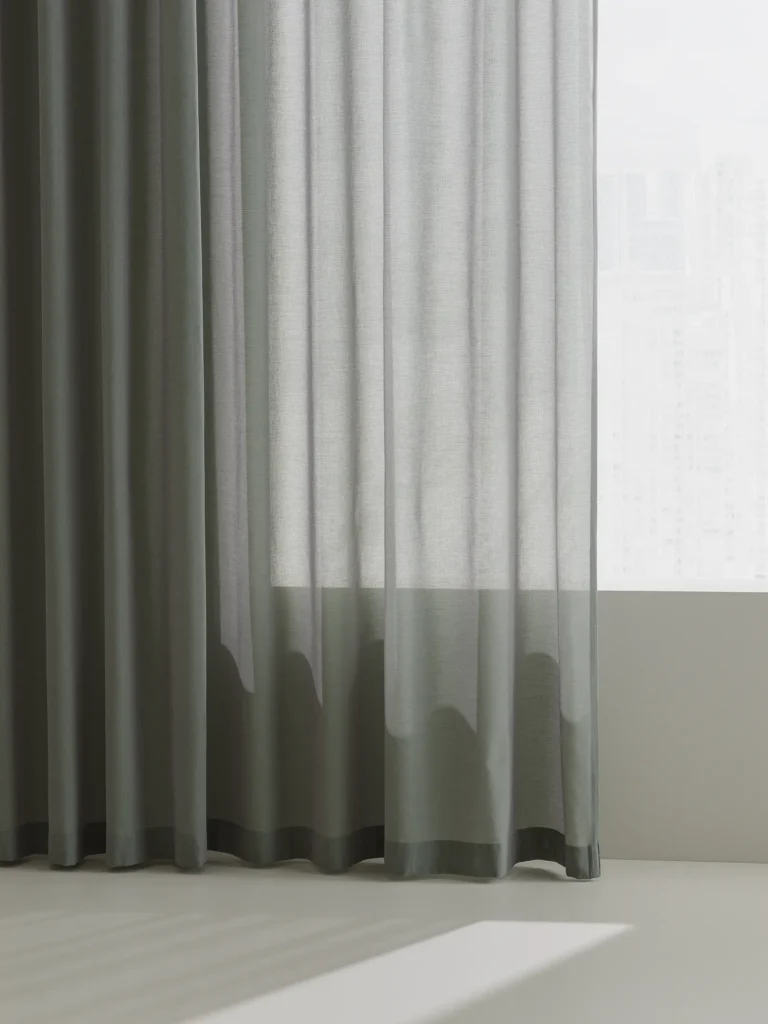
Hanging fabric
For architects and interior designers specifying textiles for public interiors.

Dynamic solar protection
For projects that require roller blinds as part of a defined daylight regulation.

Sun protection fabrics
Talk to us
We will help you choose the right starting point and the right documentation for specification.